There are numerous ways to compost your garden waste. Garden compost is an excellent method to recycle your old food scraps and other organic waste. Here are just a few of the numerous advantages of compost:
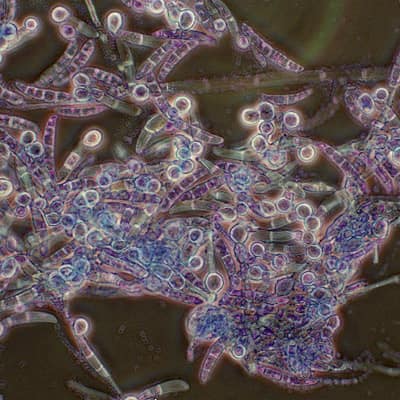
The ended up garden compost will contain nitrogen, a crucial nutrient for animals and plants. Ammonium is produced when fungi and germs break down organic waste materials including nitrogen. These ammonium compounds are then converted into nitrites and nitrates by soil microbes. This develops usable nitrogen for plants. Many individuals already know about the benefits of garden compost, so if you're curious about the process, keep reading.
Composting includes various phases. The initial step involves gathering the materials to be composted. After a number of weeks, the procedure ends. After that, it's time to apply the garden compost to your garden. You'll discover that the material starts to break down and becomes richer in nutrients. This procedure can be duplicated often times if you want to ensure it's working effectively. It is also beneficial for the environment and plays a major function in combating international climate modification.
The composting process can be slowed by including inorganic products to the compost pile. To know what products to garden compost, go to the Can I Compost This? It will offer you a list of the 100 most compostable materials.
The completed garden compost will contain nitrogen, an important nutrient for animals and plants. The majority of individuals currently understand about the advantages of compost, so if you're curious about the procedure, keep reading.
The first action includes collecting the products to be composted. The composting procedure can be slowed by adding inorganic materials to the compost stack. To know what materials to garden compost, visit the Can I Compost This?